Boards of organisations, regardless of size, must take a proactive stance on enterprise-wide risk management. Expectations from internal and external stakeholders, including regulators, are higher than ever.
IRM Advisory partners with Boards to assess their current risk oversight capabilities and identify clear pathways to strengthen governance and resilience.
Taking the lead on risk
At the heart of effective governance is the Board’s responsibility to define acceptable risk levels aligned to strategic objectives and to uphold robust risk management and control systems, as emphasised in the 2024 UK Corporate Governance Code.
Boardroom accountability
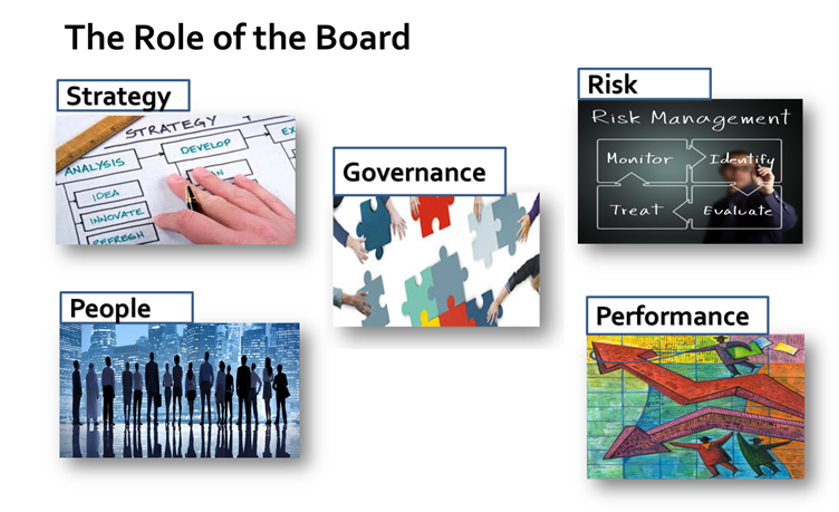
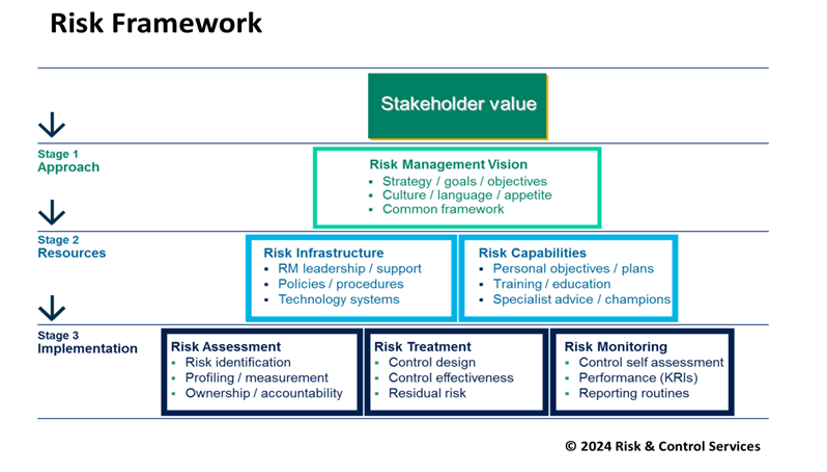
Board oversight includes setting risk parameters, encouraging an organisation-wide risk mindset, ensuring controls are effective, monitoring risk management activities, and fulfilling reporting obligations. Successful risk governance requires seamless alignment between strategic (top-down) and operational (bottom-up) perspectives, supported by transparent structures and clear reporting lines.

Taking the lead on risk
At the heart of effective governance is the Board’s responsibility to define acceptable risk levels aligned to strategic objectives and to uphold robust risk management and control systems, as emphasised in the 2024 UK Corporate Governance Code.
Boardroom accountability
Board oversight includes setting risk parameters, encouraging an organisation-wide risk mindset, ensuring controls are effective, monitoring risk management activities, and fulfilling reporting obligations. Successful risk governance requires seamless alignment between strategic (top-down) and operational (bottom-up) perspectives, supported by transparent structures and clear reporting lines.